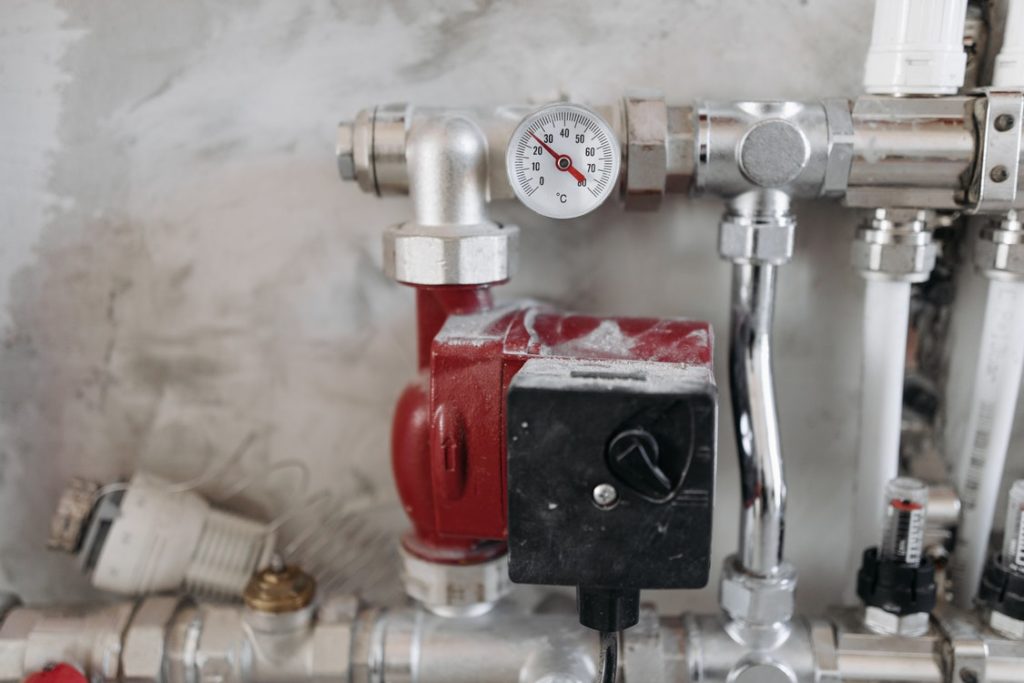

Safety Tips For Pipe Fittings

While working with pipe fittings, there are many important safety tips that you must follow to avoid injury. Always wear gloves and chemical-resistant clothing, and lift with caution. It’s also a good idea to use chemical-resistant gloves when soldering copper pipes. These are just a few tips to keep in mind when working with pipe fittings. Read on to learn more. You should not attempt to weld pipe fittings together.

Soldering

Besides following proper pipe fitting safety tips, you should also know how to use solvents while working with the pipes. Solvents are chemicals used to weld PVC pipes and other types of solvent-welded pipes, and their fumes can be hazardous to you or nearby workers. To protect yourself from such risks, wear safety goggles, wear a flame shield, and wear safety glasses. It is also advisable to use lead-free solder when fixing pipe fittings and S355J0 steel products. Moreover, try to use flexible fittings as they are less likely to break.

While welding or soldering copper pipes, it is important to remember that flux fumes can be hazardous to your skin. They can damage mucous membranes and the respiratory system. Wear a respirator and cover all exposed skin, including your hands and arms. Always wash your hands thoroughly after handling the pipes or solder. Use lead-free solder when soldering copper pipes. If you have to use flux, use a lead-free one.

Before installing a pipe fitting, you must first identify the type and size of the pipe. A 1/2″ drill is sufficient to drill large holes in pipe fittings. Make sure to use a drill with a high-quality tungsten carbide bit to avoid binds. Another important pipe fitting safety tip is to use a proper soldering torch. It is advisable to use a safety shield before using a soldering torch as the fumes can be harmful.

Chemical Resistant Gloves

The best way to protect yourself from the hazards of working with chemicals is to wear chemical-resistant gloves. There are many different types of chemical-resistant gloves available on the market. Your choice of chemical-resistant gloves should be based on the task you are performing. Some gloves are designed to protect your hands from chemicals, while others are cut-resistant and have additional protection against heat. You should also check whether the gloves are approved for use in the food industry.

These protective gloves are made of various materials, such as rubber, nitrile, and natural latex. Some are blended with other materials to provide better protection. Latex gloves are popular because they provide excellent comfort and resistance to most liquids. These gloves are also highly resistant to abrasions and cuts and have exceptional tensile and elasticity. However, latex gloves can cause allergic reactions in some people.

Whether you’re working with abrasive materials or removing pipe fittings, chemical-resistant gloves are essential. These protective gloves offer protection from heat, chemical vapors, and steam while allowing you to work comfortably with your hands. Depending on the type of chemical and the duration of exposure, chemical-resistant gloves may also offer thermal protection. The appropriate type of chemical-resistant gloves will be suitable for your job site and chemical exposure level.

Proper Lifting Techniques

Lifting above a live hydrocarbon process plant has long been an emotive subject. Nonetheless, the need to lift above such a plant is an essential component of safe operation. Various lifting scenarios may occur, including normal production operations, simultaneous operations, and drilling and construction activities. While shutting down the plant can help reduce risks, this may not always be possible. Proper lifting techniques must be employed in such instances.

Using the correct lifting techniques is critical to avoiding musculoskeletal injuries. Musculoskeletal injuries affect bones, tendons, and muscles. By using proper lifting techniques, pipe fitters can significantly reduce their risk of injury. Proper lifting techniques include using leg muscles and assessing the weight before starting the process. If lifting is not an option, mechanical lifting equipment can be used to move heavy loads. Keeping the load close to the body is another crucial safety consideration.

Soldering Copper Pipes

First, clean the ends of the copper pipe thoroughly. You can use a pipe brush or emery cloth to clean inside the joint. The more clean the pipes are, the higher the chance of success. Also, before you start soldering, cover the pipes with flux to protect the surfaces from the flame. Then, heat the copper pipes until the flame surrounding the joint is the correct temperature, then cool them with a wet rag.

If you are working on drinking water, make sure you use a flux that is safe for drinking water. Flux can be bought at most hardware stores. Flux is an acidic substance that works to connect the solder with the line. When soldering copper pipes, it’s important to make sure that the solder is suitable for the water, since residual flux can cause leakage. Then, follow the instructions in the tin carefully.

When soldering copper pipes, always remember to hold the pipe steady while you’re working. If you’re working with water, make sure to use a pipe with a proper outlet to eliminate any excess moisture. This will prevent dripping water from the joint. You should also make sure that the pipes are securely plugged to prevent any water leaks. And if you are soldering multiple pieces of copper pipe, keep in mind that there’s a high possibility of cracking a pipe or losing a solder seal.

PTFE Tape

PTFE tape is widely used in the plumbing industry to keep pipe connections leak-free. While the material is very effective in preventing corrosion, it is still necessary to follow a few safety guidelines when working with it. Using the correct amount of tape is important for ensuring that a fitting does not leak. PTFE tape should be applied in the same direction as the threads of the pipe. Too much tape will prevent a proper seal and could even gum up the threads. PTFE tape is available in standard white for both non-potable and potable water systems. It is highly corrosion resistant and is effective in high-pressure systems. PTFE tape is also resistant to a wide range of chemicals.

When using PTFE tape, make sure to follow the manufacturer’s instructions. Make sure to wrap the tape in the right direction. Threads turn in clockwise directions but there are exceptions. Using the right direction will help prevent the tape from unraveling while you make up a joint. Afterward, clean the tape with a rag. If it does unravel or come loose, remove it immediately and replace it with a fresh one.

Elbows

The number of different types of pipe fittings’ elbows is immense. They range in shapes and sizes and are available in a variety of materials. Elbows typically form a 90-degree or 45-degree change in direction. Some elbows are 22-1/2 degrees; however, for other systems, such as PVC or Copper, there are other elbows available with shorter radiuses. Safety tips for pipe fittings’ elbows include following the following guidelines:

To ensure that a joint is sealed properly, pipe dope, also known as Plumbers Mait or Boss White, is recommended. While PTFE tape is ideal for tight bends, it might not be suitable for certain applications involving excessive temperature. Therefore, it is recommended that you consult a plumber before utilizing either of these materials. But whatever you choose, these tips should help you safely install pipe fittings’ elbows.

When choosing the right pipe fittings for elbows, it is essential to consider the radii of the bends and the radius of the elbows. As the length of a pipe fitting’s radius changes, the elbow’s radius also decreases, creating less pressure drop. Short-radius elbows are less expensive but may be necessary for areas with limited space. In addition, elbows are also classified according to the degree of curvature they produce. A 45-degree elbow, for example, will turn the fluid at a 45-degree angle.

Stress Intensification Factor

The stress intensification factor (SIF) for pipe fittings is published in piping codes and is based on a formula that determines the maximum local stresses in a particular junction. Depending on the geometry and location of the pipe and fitting, the SIF may be greater or lower than the maximum stress in the adjacent pipe. This illustration demonstrates how the stress intensification factor is calculated in a particular case.

A typical piping system is made up of pipes connected to each other by various fittings. These pipe fittings may fail due to plastic, creep, fatigue, or rupture failure modes. These varying geometric properties affect the stress concentrations in pipe fittings, and consequently the loads produced by these failure modes. This is why the ASME B31.3 standard uses the stress intensification factor to determine the amount of strain that can be transmitted through a piping system.

The SIF for pipe fittings can be calculated using FE/Pipe or a similar software program. The SIF represents a multiplier of the nominal stress on the pipe and fittings. It takes into account geometry, welding, and other factors that influence stress concentration. The SIF can be calculated for a normal pipe fitting, as well as a special or modified piping system. The SIF can be calculated for many different geometries and is the most commonly used stress analysis method in the industry.

 …

Continue Reading

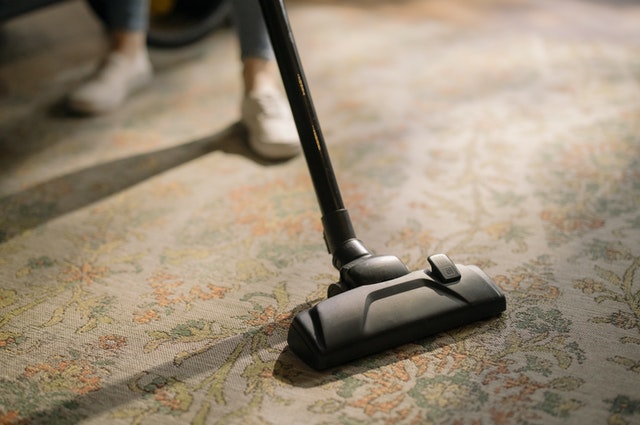
Why A Carpet Cleaning Makes Sense For Your Home

You may be asking yourself why a carpet cleaning makes sense. After all, carpets trap more dirt than you might think. In fact, they are a health risk, since they can harbor harmful bacteria and pollutants. Fortunately, a professional cleaning can remove these harmful contaminants and keep your carpet clean and healthy. Read on to discover more reasons why a carpet cleaning makes sense for your home. And if you’re still not convinced, here are a few other reasons why it makes sense to hire professional and reliable carpet cleaners.

Dust Mites

If you suffer from allergies, you need to regularly clean your carpets. Dust mites are not dangerous to humans, but they can trigger allergic reactions. Most people don’t realize that dust contains a variety of allergens, such as pollen, pet dander, and feather fragments. Since humans shed a significant amount of dead skin every day, dust mite populations are constantly increasing. While you can reduce the number of dust mites in your home by vacuuming regularly, you cannot completely eliminate them.

If you have a dust mite allergy, you should avoid upholstered furniture, wall-to-wall carpets, and down-filled pillows. Invest in dust mite-proof covers for pillows and blankets. You can also purchase a dust-mite-proof mask from a drug store. Another way to reduce your risk of developing an allergy is to avoid living in an area with concrete floors. These floors tend to have high humidity, which is a good place for dust mites to breed.

In addition to being a serious indoor allergen, dust mites can also cause asthma attacks and sinus infections. While the condition doesn’t have to be severe, it can still lead to serious health problems, including asthma. People with allergies are especially susceptible to dust mite allergies, so you should take the time to get your carpets cleaned regularly. The benefits of regular carpet cleaning will last for years. You’ll feel much better once you get rid of these pesky creatures.

Bacteria

Bacteria in carpet cleaning makes sense. The reason for this is simple: bacteria thrive on organic matter, and when a carpet is not cleaned, it is a breeding ground for germs. In fact, bacteria can survive for as long as four weeks on the carpet, and it is easy to pass these germs to your family. Bacteria also cause disease, so it makes sense to kill these germs as part of a good carpet cleaning process.

While it may be difficult to quantify how many germs reside in a carpet, it’s worth considering. The average carpet contains hundreds of thousands of different bacteria and contaminants, and people’s feet often bring these irritants into their homes. The amount of bacteria present in a carpet is often thousands of times more than on a toilet seat. The best way to kill them all is by using a carpet cleaning product that removes all these contaminants.

While the environment surrounding us is usually clean, there are times when we are not aware of it. Bacteria on carpets can make the indoor air in a homeless healthy than the outside. Carpets can hold 200,000 germs per square inch or four times more than those found on a toilet seat. Thus, proper carpet cleaning is more important than a carpet’s fiber length or material. A clean, sterile carpet is healthier than one that has a lot of dirt and allergens.

Dust

You should always have your carpet cleaned every six months. This is because bacteria can grow on your carpet between cleanings. Aside from dust, bacteria can also be spread by animals. In addition, carpet cleaning is beneficial for the health of your family. Sams Carpet Service also offers dust removal services. Contact them for more information. They will give you a free quote and explain the process. They will even clean your carpet for you!

The air in your home is laden with pollutants that are detrimental to your health. These pollutants include dust mites and food particles, as well as bacteria and allergens. These particles are trapped within your carpets and fabrics, and they can trigger serious ailments. In addition to making you feel ill, these particles can weaken your immune system, causing you to catch colds and other respiratory illnesses. The better your air quality is, the more you should invest in regular carpet cleaning.

Odors

You’ve heard about the odors that can result from carpet cleaning, but what are they? While carpets are a major culprit when it comes to odors, they are not the only source. Each odor has a different cause, and addressing them is essential to preventing them. Here are some tips for tackling the odors in your carpets:

Surface odor – When something spills or is dropped on the carpet, the smell is on the surface. This smell usually dissipates after a few days. Unlike stains, surface odors can be removed naturally by washing the carpet. Odors can also be caused by pets, smoke, food and drink spills, dampness, and more. Odors in carpets can be difficult to remove, but there are some steps you can take to remove the odors naturally.

Baking soda is a natural, inexpensive, and effective odor absorber. Unlike other chemical cleaners, baking soda goes deep into the carpet, neutralizing the odor at its source. The particles can then be vacuumed away. Dr. Steven A. Bolkan, director of research and development at Church & Dwight (parent company of Arm & Hammer), recommends baking soda for carpet odors.

Wear

It makes good sense to clean your carpet regularly, at least every six months. It will be impossible to clean your carpet as often as you need to, and in between cleanings, bacteria and fungi can thrive. Regular cleaning will keep your carpet looking good for longer. This article will explain why you should have your carpet professionally cleaned every six months. Read on to learn how to do it. Wear carpet cleaning makes good sense

Cost

The amount of money you spend on carpet cleaning will depend on many factors, including the size of the room and the type of carpet. It is also important to factor in the amount of furniture in the room, including area rugs or remnants. You also need to consider the number of stains and odors on your carpet, as deep stains and strong odors may require multiple cleaning passes. Fortunately, there are ways to cut down on the overall cost.

A carbonated cleaning costs $125 to $550 and uses chemical bubbles to loosen ground-in dirt from the carpet fibers. Once the carpet is clean, it is vacuumed and dried as quickly as possible. The carbonated cleaning process uses the least amount of water, and dry time is very quick. Whether you choose to hire a professional to clean your carpet depends on the size of the room and the type of carpet.

Berber carpet is the cheapest and easiest to clean. Wool and cotton carpets cost as much as 30% more. Foam shampoo is a solution applied to the carpet with rotating brushes, agitated, and vacuumed without rinsing. The residue foam may remain sticky after it has dried, but the drying time is short. Dry cleaning powder is another option, which is 10% water-based and absorbs dirt. Once absorbed, the carpet is dry and safe to walk on.

 …

Continue Reading

Why Plumbers Make Good Employees for Your Business and Your Home

There are several reasons why plumbers, like the ones at Graham and Sons Plumbing, make great employees. They don’t work in an office all day and will interact with a variety of different people. If you’re friendly and can get along well with people, you can earn quite a bit of money. Plumbing is an occupation that can be very lucrative. You won’t have to spend much time in an office and can make a significant income from it. Listed below are some of the most common reasons why plumbers make good employees.

Job Security

Plumbing is a highly respected career with high job security. Almost every industry needs plumbers. With demand increasing every year, plumbers often do not have to worry about being unemployed. This profession is in high demand in New Zealand, which is why there are plenty of jobs available. Despite this, there are fewer people training for plumbing careers. Job security for plumbers is expected to remain high in the coming years. Here are some benefits of becoming a plumber.

A plumber’s job is highly flexible. Since they work alone at a client’s home, they rarely have a boss watching their every move. Because of this, plumbers have a high degree of independence in their work. Unlike the many private equity professionals who must spend several years in college to get a job, plumbers do not have to worry about high job security. They can often earn additional money on the side by assisting family members and friends with their plumbing needs.

While plumbers work for small companies, the majority are self-employed. However, a plumbing degree can lead to a career in engineering. While there are risks involved, the benefits outweigh the risks. A plumber’s education will make it easier to land a job in a small company or self-employed business. If you have the aptitude for research and strategic thinking, you can pursue a career as a plumber.

A plumbing career offers good job security, a high earning potential, and plenty of opportunities for advancement. Not only do plumbers fix toilets, but they also keep entire homes, businesses, schools, and cities running. In other words, plumbers are in high demand in every place water flows. The demand for plumbers is expected to remain high for a long time. However, there are a few things to keep in mind when choosing a career in plumbing.

To become a plumber, you need to obtain a license in your state. To work independently, most states require two to five years of experience, though the requirements vary by state. The United Association’s website offers extensive information about licensing requirements in each state. Besides, plumbers who have a good work-life balance and upward mobility may have a more satisfying job. The average age of a plumber is over 60 years old.

Social Interaction

In today’s world, social media is a primary tool for finding local service providers. Facebook and Twitter are popular places to discuss experiences, and customers often use social media to rate businesses. This feedback gives businesses the chance to improve their service and expand their clientele. According to research, 57 percent of consumers are more likely to trust online reviews than personal recommendations. By maintaining a strong presence on social media, plumbers can stay top of mind with their target customers.

Plumbers can also stay up to date with the latest trends by keeping up with their peers on social media. Some plumbers are already on Facebook and Instagram, where they can interact with other plumbers in the area. Others are on LinkedIn, where they can follow trade associations and plumber hashtags. By being connected to other plumbers, you’ll be one step ahead of your competitors. But if you’re a new plumber, you can use social media to stay on top of the latest plumbing news.

Plumbing is an excellent career choice for someone looking for a flexible job that combines customer service and interpersonal skills. Plumbing jobs are not typically a one-person show, but plumbers have the advantage of being out in the community, meeting people from all walks of life. You’ll never be isolated on the job – plumbers often work in residential and commercial buildings, and they may even be members of a union.

Despite the demanding work associated with plumbing, a plumbing career can be extremely rewarding. The constant interaction with new people is one of the many advantages of this profession, and plumbers can earn significant income if they’re able to deliver great customer service. Plumbing is an increasingly vital trade, as more people recognize its value and are willing to pay for the help of a plumber. Many people try to fix more extensive problems themselves, but end up making their problems worse.

Physical Requirements

Plumbing is a highly physical profession. Physical requirements include strength and flexibility to reach difficult or cramped places. Plumbers also require good hand-eye coordination and the ability to use specialized tools and gauges. They also need excellent vision to spot potential problems and coordinate movements between multiple limbs. Depending on the location and type of plumbing job, plumbers must also be physically fit. They must be able to climb and work in cramped spaces, and they must be able to lift and carry heavy equipment and pipe fixtures.

Plumbers must be able to stand for long periods of time, which can be challenging. They must also be able to tolerate hot and cold temperatures. Those who have a good physical condition should have no problem with the physical demands of this job. Despite the physical challenges associated with plumbing, plumbers must remain alert and able to work in difficult conditions. These conditions are often grueling, so plumbers should be physically fit and have adequate cardiovascular endurance.

In addition to having good physical health, plumbers must be capable of applying logic to problems. Their training requires them to be able to diagnose plumbing problems and solve them effectively. They must also be able to communicate effectively with customers, subcontractors, and supervisors. They may also have to perform clerical duties, such as providing estimates and scheduling consultations. Because they work on the street, they need to be able to prioritize their work.

Apprenticeship programs for plumbing are a great option for plumbing students. Apprentices will receive more hands-on training under the guidance of an experienced plumber. Apprentices should engage in physical exercises regularly to develop their strength and flexibility. The apprentices should also take computer courses, such as budgeting software, word processing, spreadsheets, and foundational IT principles. They should also learn how to read and interpret technical diagrams. Finally, they should be familiar with the local plumbing codes and regulations.

Job Duties

A plumber’s job description is varied. Plumbing professionals install and repair pipes, drains, sewers, and other plumbing systems. Their duties may include installing and extending piping and fixtures and analyzing building codes. They may also be called upon to install medical gas and oxygen. Many plumbers also direct other workers. They may also be called upon to perform special projects, such as renovations and new construction. As a result, plumbing professionals often perform several skills that are unique to the job.

Plumbers specialize in plumbing systems. They install, repair, and maintain water, gas, and waste systems. Their work requires specialized training and the ability to work both indoors and outdoors. Plumbers are also required to work around heavy machinery, electrical work, and soldering copper pipes. As a professional, plumbers are often the sole contact for plumbing emergencies. Plumbing technicians earn a competitive salary and enjoy a wide variety of work.

Plumbing apprenticeships are highly competitive. Apprenticeships take about four years and require hundreds of hours of classroom work. A plumbing apprentice needs to be at least 18 years old and have basic math skills. Once completing the apprenticeship, a plumber is licensed to practice plumbing independently in most states. However, many provinces offer secondary school or online plumbing courses for those who are not ready to embark on an apprenticeship. Once a plumber completes an apprenticeship, he or she is eligible to work anywhere in Canada.

 …

Continue Reading

Hiring a Cybersecurity Staffing Consultant

You should consider commissioning cybersecurity consulting services to support your organization’s cybersecurity strategy. While these consultants can offer helpful advice, they also need to be sensitive to the human side of the cybersecurity team. You should ask about the experience, qualifications, and cost of cybersecurity advisers before hiring one. This article will walk you through the process of hiring a cybersecurity staffing consultant. In addition, you’ll learn about the importance of hiring a cybersecurity adviser.

Qualifications for a Cybersecurity Adviser

A cybersecurity adviser should possess a broad knowledge of network security and be comfortable with VMware and virtualization. He or she should be adept at assessing cyber vulnerabilities and must possess solid research and analytical skills. Cybersecurity advisers should also possess a deep understanding of operating systems, network infrastructure components, and malware analysis techniques. They should also have experience working with international teams and coordinating investigations across time zones. The skills and experience required of a cybersecurity adviser should be clear from the beginning.

Experience in a security consulting firm is beneficial in attracting qualified candidates. If you are hiring a cybersecurity adviser for a specific project, a sample job description may be helpful. You can modify it to match your company’s needs and requirements. A cybersecurity adviser is a person who ensures the security of your business operations, employees, and capital assets. This professional also provides tactical management, emergency planning, and disaster recovery strategies.

Cybersecurity analysts must have a proven track record in the field, with at least five years of hands-on experience in the field. They must understand key components of cybersecurity and be able to summarize their findings in written reports. These professionals should also have the ability to lead investigative teams and present results in oral and written reports. They should be highly skilled at assessing threats and identifying appropriate measures to address them. They should also have excellent communication skills.

A cyber security analyst’s job role typically involves 35 to 40 hours a week. Most analysts work standard office hours, but some may have to work outside of normal working hours. Some companies require shift work or call-out rotas. An experienced analyst can even set up their own cyber security consulting firm or freelance. Many jobs are contract-based, and some require a security clearance. As with any job, experience is essential.

A cybersecurity expert should have a proven track record in the field. If he or she has worked for more than one company, it would be beneficial to use a cybersecurity consultant with a wide range of experience. It would also be helpful if he or she has certifications. The more companies a cybersecurity adviser has worked for, the higher his or her chances of being hired. He or she should have ongoing training and education in the field.

Responsibilities of a Cybersecurity Adviser

Hiring a cybersecurity adviser may be a great idea if your company is facing a wide range of cybersecurity threats. These threats can range from malware to social engineering. Hiring a cybersecurity adviser can help you minimize risks and improve security while also lowering your costs. The most important thing to consider is your adviser’s credibility. It’s important to feel confident in their recommendations, so it’s important to find a person who is trustworthy and who shares the same values as you.

One of the main responsibilities of a security consultant is to identify vulnerabilities and create security controls. These consultants will examine your assets and recommend the best course of action. They will also perform risk assessments and design countermeasures to mitigate potential threats. In addition to security planning and implementation, security consultants can also train your staff on how to recognize security threats and implement effective solutions. In this way, you can be sure that your company is secure.

Hiring a cybersecurity adviser is essential for any company. The right advisor can assess your organization’s current situation, identify vulnerabilities, and build a cyber plan to protect it. Cybersecurity solutions must constantly be evaluated and integrated into your company’s processes and infrastructure. You can hire a cybersecurity adviser to help with these ongoing tasks, which can be challenging. So, it’s essential to hire a cybersecurity adviser who has the expertise and experience to ensure your organization is fully protected.

Security consultants should act like hackers to assess your organization’s cyber vulnerabilities. In addition to being familiar with threat modeling and configuration, these advisers should also have extensive knowledge of various cybersecurity concepts, including malware, social engineering, and network access control. They should also be familiar with programming languages and operating systems. In addition, they must have extensive knowledge of the latest cybersecurity tools and techniques. The right cybersecurity adviser can help your business secure your data and prevent cybercrimes from taking place.

Regardless of the industry, you are in, hiring a cybersecurity adviser can be a great way to ensure your organization’s cybersecurity is on track and protected. In addition to a cybersecurity adviser’s expertise, your team can use a red team to test your defenses and respond appropriately to any attack. A cybersecurity adviser can also help answer questions related to your business and your cybersecurity posture. The best cybersecurity adviser can also serve as your liaison between your offensive and defensive roles, ensuring your business’s critical data is protected.

Requirements for a Cybersecurity Staffing Consultant

The skills needed for this field vary depending on the organization, and experienced recruiting managers will look for a variety of attributes. One of the most important attributes is passion, which is closely tied to technical prowess and commitment to the job. Candidates should be able to explain how they have used their passion to learn the field and how they would apply it to their new position. Whether a candidate has formal education or not, the experience of working in the cybersecurity industry will benefit their prospects.

Hiring a cybersecurity staffing consultant is a great way to fill a critical gap in your organization. Regardless of size, cybersecurity talent has a broad range of skills and experience and is more important than ever. As a result, cybersecurity talent must be able to understand the challenges and opportunities that are inherent in the field. To find the right candidate, CISOs should think outside of their traditional cybersecurity roles and look outside the industry.

The hiring process is complex. Hiring cybersecurity professionals is time-consuming and requires a matchmaker. Hiring cybersecurity staffing consultants are much more efficient because they speak the language of the industry and the needs of job seekers. As a result, hiring a cybersecurity staffing consultant will save both time and money. A cybersecurity staffing consultant will be able to find the right cybersecurity talent in less time than it would take hiring a candidate yourself.

When choosing a cybersecurity staffing consultant, consider the various factors that will impact the quality of the search. While cybersecurity is a broad field, it requires diverse teams to be successful. Cybersecurity is a growing industry and a skilled team is necessary to protect sensitive information. Cybersecurity staffing consultants can help executives navigate this burgeoning industry. The best cybersecurity staffing consultants will not just match the right talent with the right role, but will also help the company retain its new hires.

The right cybersecurity staffing consultant will be able to identify specific needs and skill gaps in their cybersecurity team. Once they understand these gaps, they will be able to determine the appropriate staffing headcount for current and future initiatives. For example, a company that is planning to implement security information management tools might want to know how many cybersecurity staff is needed to support these systems, as well as how much they will cost to hire.

Cost of Hiring a Cybersecurity Consultant

The costs of hiring a cybersecurity adviser can range from $200 to $600 per hour. Most cybersecurity consultants will travel to client sites to assess their clients’ cybersecurity needs. However, it is important to understand the scope of the work before hiring a security adviser. The time a cybersecurity adviser will spend on your project will depend on the level of service you require. Some cybersecurity consultants charge by the hour, while others are paid by the project.

A security adviser should provide regular updates about the latest products, solutions, trends, and employee development. Cybersecurity advisers should also be familiar with the human side of cybersecurity and be able to provide guidance and advice. In addition, they should be knowledgeable about cybersecurity training resources and career development opportunities. Lastly, they should be able to help your organization develop its cybersecurity workforce. By working closely with your cybersecurity team, your business will be more secure and protected from cyberattacks.

Security consultants work on a contract basis with clients to provide cybersecurity advice. Their services may include setting up cybersecurity tools, performing penetration testing, analyzing organizational processes, and recommending effective cybersecurity solutions. In addition to implementing security tools, cybersecurity specialists may also provide website security consulting, database migration consulting, and other IT services. Furthermore, they will analyze organizational processes and recommend solutions to address cybersecurity risks. A cybersecurity adviser’s salary can be as high as $187,000 per year.

In addition to helping clients with their cybersecurity needs, a cybersecurity adviser can also assist a business in identifying and attracting the best candidates. Mondo is an online marketplace for cybersecurity professionals, which is also an employer’s resource for finding a cybersecurity specialist. Marcus Hatten manages the social media pages for the company and works with the Digital Strategist. He has written numerous articles and been featured in multiple online publications.

A security adviser’s salary depends on the level of experience and education. The average cybersecurity consultant makes $85,430 per year, but the salary can vary widely based on education, years of experience, and location. The level of responsibility can range from an entry-level security consultant to a virtual chief information security officer. So, how much should you pay a security consultant? And the salary range will depend on the type of experience and training.

 …

Continue Reading

How Often Should I Change My Flag

If you have a flag in your home or office, you might be wondering how often you should change it. After all, the larger it is, the more you should protect it. That means inspecting it on a regular basis for signs of wear, including tears and “normal wear” of the fabric. Look for thread breaks in the fly end of the flag, which is the end that extends from the staff. To prolong the life of your flag, trim torn ends. You can also rotate it to get the best out of it, extending its life and providing peace of mind.

Care Can Prolong the Life of a Flag

While flags can last for many years, there is some care that must be taken to extend their lifespan. High winds and heavy rain will wear down the flag cloth. It is best to avoid flying the flag when it is wet or snowing, as the combination will place a lot of stress on the flag. Regularly trimming the fraying edges will also help extend the life of the flag.

A little bit of love and care goes a long way when caring for a flag, as seen on Pinterest – Ultimate Flags. First, wash it as gently as possible. Flags made from synthetic materials like cotton or wool can be hand-washed. When washing it, be sure to use a gentle detergent to avoid color bleeding. If you do not feel comfortable hand-washing your flag, you can lay it flat to dry. Afterward, you can use a cool iron to remove any wrinkles.

You can also extend the life of a flag by giving it a little bit of tender loving care. Make sure to remove any debris that may collect on the flag and keep it away from strong winds. Make sure to hang the flags in areas that get plenty of sunlight. Also, make sure to hang them in a dry location after using them. Outdoor flags should be hung outside to avoid excessive exposure to weather. If you must hang them indoors.

A little love and care for a flag go a long way when it comes to preserving the colors of your American Flag. Winter precipitation can damage outdoor items, including flagpoles, so it is vital to protect them from harsh weather. Keeping them out of the elements will extend the life of your flag and prevent the flag from becoming faded. If possible, hang two flags to avoid the harsh winter weather.

Repairing a Tattered Flag

If your flag has become tattered and worn, you might wonder how to repair it. The answer to this question depends on the severity of the damage. Heavy winds, ice, and other weather conditions can cause holes and rips in a flag. Other types of damage, such as frayed ends, can be repaired by trimming frayed ends and sewing a hem to match the original one.

The first step in flag maintenance is spotting any early rips or loosening stitches. Only if the mended portion is visible should you proceed with the repair. You should also keep in mind that the original shape and design of the flag must remain. Otherwise, you may be violating flag regulations. Proper care of a flag can ensure that it is enjoyed for many years. Here are some tips for repairing a tattered flag:

First, inspect the flag. If it has visible wear, it may be time to retire the flag. A damaged American flag should be disposed of in a dignified manner. However, in cases where the flag is too damaged to be displayed, you should consider having a second flag ready for use. While the first flag is being repaired, a second one should be stored to avoid the eyes of onlookers. However, you may want to consider getting a professional seamstress to do the job.

Another way of repairing a tattered flag is to cut off the frayed ends and trim the tattered sections. Repeat this process until the flag becomes square. You must also bear in mind that burning a tattered American flag is not illegal. However, you must do it in a dignified way so as to prevent a crime. If you are not able to repair a flag, you should burn it.

Properly Storing a Flag

There are a few things you should remember when storing a flag. First, you must store it away from the sun. Exposure to sunlight can fade or ruin the fabric of an American flag. Also, you should avoid storing it in a garage or attic, where humidity and temperature can change quickly. It is best to store your flag in an airtight storage box in a closet or in the basement.

Once you have properly folded your flag, you must store it correctly to avoid causing damage. Properly storing a flag can be challenging, but with the right guidelines and a little common sense, the process will be a breeze. A good solution is to put it in a plastic storage box, which is free of any moisture. Afterward, you should put it into a cardboard box or another airtight container, or in a separate storage cabinet.

In addition to determining the proper storage method for a flag, you should also consider the material from which it is made. Materials like silk, cotton, wool, and acetate are especially susceptible to degradation when exposed to sunlight for long periods of time. If the flag is treated with a chemical or other material, it will be best to store it flat. If you’re unsure whether your flag has been treated, consult the manufacturer’s instructions for storing flags.

While displaying your flag on a flag stand, you should consider a few things to remember when storing it. First, make sure it is not touching the floor or pavement. If it does, you should examine it for damage. Next, keep in mind the difference between half-staff and half-mast. The former is a term for a flag flown on a ship mast; the latter refers to the flag displayed on land.

Inspecting Your Flag for Signs of Wear

Inspecting your flag for signs of wear is important for its continued use. During the process, you should also examine the hardware to determine if there are signs of fatigue, bending, or UV aging. If any of these signs are present, it is time to replace worn parts. Flagpoles can be an excellent investment, so make sure to inspect them regularly and replace any damaged parts as soon as you notice them.

Checking for signs of wear includes making sure the flagpole is clean and free of heavy dirt or rust. Occasionally, flags are flown against rough surfaces, which can cause the stitching to unravel and mildew to build up. When possible, you should hand-wash flags to prevent mildew buildup. Extreme weather can also cause major damage to flagpoles. If it is raining or experiencing high winds, take down the flag for a few days and air dry it in a sheltered location. Cleaning your flag regularly is also important to ensure that the fabric is free of dirt and grime.

The proper use of the American flag is important to preserve its beauty and function. Proper etiquette involves standing during the Pledge of Allegiance and avoiding any damage to the flag. Americans should follow strict rules when it comes to flying the American flag, including avoiding touching the ground or other flags. The flag should not be used as clothing, bedding, or drapery. And it should not be used in a temporary manner, such as for a wedding or party.

If the snap hooks on your flag are weakened or damaged, it is time to replace them. Flag snap hooks are integral accessories that are easily overlooked. You should check these before displaying them. They are small but essential. If the snap hooks are broken or bent, this could cause the flag to fly off the pole. Aside from checking the snap hooks on your flag, you should also look for cracks or loose fasteners.

Replacing an Old Glory

Replacing an Old Glory on s flag is a simple process. First, make sure you have the right kind of flag. The United States flag is a representation of our country, and it should be worn with respect. Secondly, it should be retired with dignity. Although it is a common misconception that you should throw away an old flag, this is not the case. In order to properly retire an old flag, you should follow these tips:

Clean an old American flag with Woolite or some other similar product. Small tears can be repaired by hand but shouldn’t be visible when displayed. After cleaning your flag, make sure to store it properly. Use a protective covering or sleeve if you can’t hang it up right away. Then, place it in a safe place. Make sure to place it in a dry, clean place.

To replace an Old Glory on a flag, you can get a replica from the Peabody Essex Museum. The flags are 12 by six feet and may look similar, but there are a few differences. The Peabody flag may be a 125-year-old family quarrel, but it’s still a historical curiosity. If it’s an heirloom from the Driver family, it’s a legitimate Civil War relic. While the Smithsonian project is unlikely to settle a 125-year-old family quarrel, it’s a genuine Civil War relic. The Peabody flag is just one of the many anomalies of the Old Glory.

The Old Glory flag had 24 stars when it was first made in 1824. Then, in 1861, it was remade with 34 stars and an anchor symbolizing years of service at sea. It survived the Civil War and was unfurled when Union troops occupied Nashville. After the Civil War, it was left in the hands of Union troops. It eventually passed into legend, and the Old Glory has come to represent all American flags.

 …

Continue Reading

Factors that Determine the Cost of Pest Control Services

Several factors will determine the cost of pest control Haringey services. These factors include the type of pest and size of the infestation, the cost of the services themselves, and the amount of damage caused by the pests. The following article will provide some helpful tips for comparing prices. In the end, you’ll have an idea of how much a pest control service should cost. Also, read on for some ways you can save on your next service.

Size of Home

The price for pest control services can vary greatly depending on the type and size of your home. The monthly fee for flea control, ants, spiders, and other pests is about $40, while a quarterly visit could cost anywhere from $80-$215 for a service. The cost of quarterly services for cockroaches, mice, and rats is about $80 to $120 per visit.

The cost of a thorough inspection by a pest control company can range from $50 to $200. The service provider will inspect your property to identify any hidden pests. They will also determine whether you need a canine inspection, which costs around $200. You can expect the price of annual pest inspections to vary, depending on the size of your home and the severity of the infestation. A professional pest inspection of your home can also be costly.

Chemical treatments are the most expensive and often involve poison to kill the pests and discourage them from coming back. The pest control service provider may use organic products, which are less expensive but may require a trip out of your home. Chemical treatments are not effective for controlling an entire infestation and may be harmful to pets and children. In addition, pests may remain in areas where they were treated. So, pest control companies may recommend a more natural treatment for larger infestations.

The size of your home will determine the cost of pest control services. The larger the home, the more time and chemicals the technician will need to apply the necessary chemicals. Also, the size of your home will affect the cost of exterior pest barrier treatments. Once the technician has inspected your home, he or she can give you a more accurate estimate of how much the service will cost. It’s also important to remember that pricing may vary by region. Some areas experience more frequent infestations than others.

The cost of pest control services depends on the size of the home and the type of pest. A pest control service for spiders could cost from $145 to $200. A different type of pest may require more attention, such as bees and wasps. These pests cannot be effectively treated with chemicals used on the ground. You should contact a local beekeeper if you have any honeybees in your home.

Type of Pest

How much will a pest control service cost you? This will depend on a few different factors. The size of your building will have a significant impact on the cost, and will also have an impact on the type of chemicals and materials used. You should also consider how frequently the pest control company will need to visit. A larger building may require more frequent visits, so the cost will likely be higher. In addition, many companies will not price based on square footage.

If you live in a climate with a noticeable change in seasons, you may want to consider quarterly pest inspections. These inspections typically cost $150 to $200 per visit. They help to prevent a re-infestation by keeping seasonal pests away. A monthly pest inspection will also keep your property free from insects that may have returned if you didn’t do your part to prevent them. However, if you have a serious infestation, a monthly visit will cost more than a single one-off visit.

The cost of pest control services is usually determined by the type of contract that you have with the pest control company. One-time bug exterminations, for example, are the simplest type of contract. The pest control company will visit your property, inspect it, and then go about eliminating the pests. However, one-time bug exterminations can be costly compared to the damage caused by the pests. Similarly, monthly pest control services cost the least, but they will guarantee the protection of your property throughout the entire year. Emergency treatment may also cost more.

The cost of pest control services also depends on how many pests are present. If you’re dealing with a single wasp nest, for example, the costs of pest control services will be considerably lower. A major infestation will, however, be more expensive, because it requires more time and materials. Not to mention that you could damage your property during an infestation. In such cases, hiring a pest control pro may be the best option.

Size of Infestation

When pricing your pest control service, remember that a smaller infestation will require fewer treatments than a large infestation. Similarly, if you have a large infestation, multiple treatments may be necessary, while a single treatment may be enough. However, if your infestation is particularly large, you’ll need to include overhead costs, such as office rent and utilities. Marketing can run into thousands of dollars per month, so be sure to shop around before hiring a pest control service.

The initial visit will likely be the most expensive. It will include an inspection, assessment, and treatment plan. This visit will probably cost about $150-300, although it will depend on the size of the infestation. Depending on the severity of the infestation, monthly retreatments may be necessary, which can add up to another $40-$70. For large infestations, such as apartments and rental properties, you may need monthly visits to ensure the pest control treatment is working.

While some pest control companies offer a 10% discount for treating your home once a year, many others offer discounts for twice-yearly treatments. A 10% discount for summer pest treatment may be a great way to save money and still get rid of pests. The type of treatment that is used can vary from one company to the next. For example, a more expensive treatment will remove the pests from the building in just one visit, but you may have to pay more for more effective treatment. In addition to the type of bug infestation, the price of pest control services will also depend on the size of the building.

The size of an infestation is another factor that affects the cost of the project. Smaller homes are easier to manage for an exterminator and the treatment can be completed in a single visit. On the other hand, larger homes may require more visits and a broader range of strategies to successfully remove the pests. Choosing the right exterminator is important, as under-treating can result in reinfestation and additional costs.

Damage Caused by Pests

Termites, rodents, and other common household pests can cause thousands of dollars in damage to your home. Carpenter ants can gnaw through electrical wires and walls. Their droppings and urine can contaminate your water and food. If you have a restaurant, these pests can cause contamination of your food, so you should be vigilant about protecting your food and equipment. In addition, rodents like mice and raccoons can cause damage to your plumbing, electrical wiring, and structure.

Although it is possible to treat most household pests yourself, it is often easier to hire a professional to treat an infestation. However, some pests are harder to kill than others. For example, termites and bed bugs are notoriously difficult to eliminate. Because they hide in hidden places, a major infestation can take longer to eradicate. You may also have to pay extra if you want to use environmentally friendly products.

The initial visit will cost around $150-300, depending on the level of infestation. It will involve a thorough assessment, inspection, and treatment plan. The cost may increase if you need more frequent visits or live in a shared structure. For larger infestations or shared spaces, monthly retreatment will be necessary. This can cost an additional $40-$70 per month. Once you’ve had the initial treatment, you’ll need to schedule repeat visits every few months to ensure that the pests don’t return.

 …

Continue Reading

Important Benefits of Having Roof Cleaning

One of the most important assets in your home is your roof. It has the most important job in your home, and it needs to be clean to keep it safe and protect your assets. Not only is regular roof cleaning or pressure washing beneficial for the protection of your roof, but it also saves energy. An unclean roof absorbs heat, increasing your energy bill. A clean roof will also help you to be more environmentally friendly. So, why should you pay for a professional roof cleaning?

Benefits of Regular Roof Cleaning

Cleaning your roof regularly will increase its curb appeal and prevent costly repairs and damage. If you’re interested in having your roof professionally cleaned, be sure to ask about discounts for referrals and multiple home cleanings. Cleaning your roof regularly will also protect your home’s structure from damage, so it’s worth investing some time in maintaining it. Here are seven benefits of regular roof cleaning:

Regular roof cleaning will improve your home’s curb appeal, increase its value and extend its life span. Dirty roofs hide roof problems, making them harder to detect and repair. Regular cleaning will help you spot these problems before they cause any damage and keep unexpected repairs to a minimum. It also ensures the smooth operation of your gutters. And, if you’re considering selling your home in the future, regular cleaning will help increase its value.

Regular roof cleaning is essential if you’d like to protect your family from mold exposure. Keeping your roof clean also prevents water damage, which makes your house more valuable. A dirty roof can also attract critters and pests, which can cause damage to your house and deteriorate its value. Cleaning your roof on a regular basis will ensure the health of your family and help prevent any unwanted guests. A clean roof can also make your home more appealing to potential buyers.

Regular roof cleaning will also reduce the growth of algae and moss. These types of growth can cause significant damage to your roof shingles and tiles. It can even contribute to frost damage. Regular roof cleaning will eliminate these problems before they become major problems. So, what are the benefits of regular roof cleaning? If you’re looking for a way to protect your home from these damaging growths, it’s time to consider a professional roof cleaning.

Another benefit of regular roof cleaning is increased energy efficiency. A dirty roof will absorb more heat than a clean one, causing your HVAC system to work harder and cost you more money in the long run. This means fewer expensive repairs and a lower electric bill. Not to mention the increased curb appeal of your home, so you can finally enjoy the outdoors without spending too much money on air conditioning. These benefits are just a few of the many benefits of regular roof cleaning.

Proper cleaning can add years to your roof’s lifespan. Proper cleaning will prevent deposits from forming on the surface and will keep your home cooler during the warmer months. Keeping your roof clean and well-maintained, will keep your house looking nice and make it a welcoming place to live. Aside from extending your home’s life, regular roof cleaning will improve its overall appearance and value. Your home will stay cool even when you’re not there to enjoy it.

Signs that Your Roof Needs Cleaning

Black streaks on your roof are not dirt, but rather, a sign of mold or algae growth. These streaks are usually dark and vertical, and they are indicative of the need for cleaning your roof. Algae, or blue-green algae, is a type of fungus that grows on the surface of the roof. The spores of algae are spread by the wind and feed on moisture. Once they start to grow on your roof, they can eat away at the shingles and wood on your roof. This discoloration on your roof is a sign that you should have your roof cleaned as soon as possible to avoid expensive damage.

One of the easiest signs that your roof is leaking is a noticeable lack of light. If you can see daylight coming through the roof boards, your roof is weakened and likely suffered from extensive storm damage. Other signs of a failing roof include buckling, sagging, or unevenness. Any of these signs will indicate extensive damage to your roof and should prompt you to hire a roofer to clean it. If the boards are weakened, it’s likely that your roof will collapse during a storm.

As the most important part of a house, the roof needs regular cleaning to protect it from the elements and maintain its value. Proper maintenance of the roof will save you money on repairs and extend the life of your home. If you’re unsure whether or not your roof requires cleaning, call a professional roofing company. If your roof is less than 20 years old, consider having it cleaned by professionals. Otherwise, it may be a good idea to hire a company that cleans all types of roofs.

A dirty roof can cause shingles to peel away from their adhesive and blow off during storms. Moss can also degrade the structure of your roof, making it prone to wood rot and decay. If it’s left untreated, moss can cause the roof to collapse. These problems are not only ugly but also hazardous to your roof. Clean your roof as soon as you notice any of these signs. You can also call a roof cleaning company to clean your roof if you suspect that there is an influx of algae or mold growth.

Moss and mold do not belong on your roof. Regular cleaning will remove this harmful growth and prolong the life of your roof. Additionally, cleaning your roof will eliminate the accumulation of grime that can cause your roof to discolor. Cleaning your roof will help keep the color fresh and make it look as good as new. It will also help prevent your roof from losing its value and curb appeal. These are just a few of the many reasons why you should have your roof cleaned.

Recommendations for Roof Cleaning Methods

Many roof cleaning contractors use homemade bleach formulas. These blends contain phosphates, dish and laundry detergents, assorted surfactants, and odor-masking fragrances. However, if you’re considering using such a solution, it’s important to know the risks and the safety of this process. Homemade bleach formulas can also cause serious damage to aluminum gutters, plants, and people. Moreover, the odor of chlorine bleach can be overwhelming. Therefore, it’s best to avoid bleach in your roof cleaning process.

If you’re not sure how to properly clean a roof, it’s important to follow some recommendations. During this cleaning, you should check for damage caused by excess dirt. For instance, if some granules fall off, it may be time to replace the entire roof. Also, choose a roof cleaning company that uses eco-friendly and high-quality products. Avoid using any chemical-based roof cleaners, which may harm landscaping around your home and end up in nearby waterways, negatively affecting the environment.

The purpose of roof cleaning is to remove excess dirt and grime from the surface. Usually, a thorough cleaning lasts two to three years. The duration depends on the climate, humidity, and annual precipitation. If the roof is adjacent to an unclean one, there’s a chance that the spores from that roof will transfer to yours. To avoid this, it’s better to have a roof that hasn’t experienced any growth or damage for the past 24 months.

A chemical solution is a common method of roof cleaning, but this method isn’t recommended for all kinds of roofs. A lye solution, which contains sodium hydroxide or another acid, is used to wash away stubborn algae and lichen. The chemicals may damage shingles and damage the roof’s adhesive. Moreover, it can damage the plants growing nearby, including trees. A combination of these two methods may be a better choice for your home.

Regardless of the method you use, you’ll need to know the difference between a cleaning solution and an algaecide. The most common acid solution used in pressure washing is 12.5% Sodium Hypochlorite (also known as Pool Shock), which kills algae and prevents its growth for two years. In addition to this acid, Roof-Acid provides a caustic-free alternative for roof stain prevention.

Algae and moss spores can be carried in the wind. These organisms may appear as black streaks, but they are actually colonies of blue-green algae. Furthermore, if you find thick patches on the roof, you may have a moss problem. Moss is most prevalent on shady, north, and west-facing portions of a roof. Hence, it’s essential to remove moss and algae from your roof to avoid further damage.

Proper roof cleaning is not only important for the health of your home, but also for the longevity of the roof. Regularly cleaning your roof will ensure its longevity, and a clean roof will last longer. Clean roofs will also reduce the risks of lichen and moss growth on the roof, which can void your warranty. This can also void your homeowner’s insurance policy. Cleaning the roof regularly will protect your investment and prevent premature replacement of the roof.

 …

Continue Reading

Learning More About the California Lien Sale Laws

The California lien sale laws cover many topics, from notice of pending sale to fees associated with it. There are also several important issues to be aware of, such as opposition from the legal owner or auto lender. Ultimately, any excess monies should be remitted to the Department of Motor Vehicles. This article will help you navigate these laws. So, what are some of the most common issues associated with lien sales in California?

Notice of a Pending Lien Sale

A Notice of a pending lien sale under the California lien sales laws requires that the lender notify the vehicle’s registered owner. This notification must contain full information about the vehicle, including its title, license number, and state of registration. If a lienholder has an interest in selling the vehicle, he or she must apply to the California Department of Motor Vehicles to sell the vehicle. If the lienholder is unsuccessful, a person can request a hearing in court.

Once this process is complete, the lender will mail a packet of documents to the plaintiff. The lien sale packet will also include any required information. The notice will also include a link where the lien buyer can access the notice and obtain more information. The lien sale packet will also have a list of deadlines and other relevant information. This information will be necessary to make the sale process run smoothly.

A person who has a personal interest in the vehicle may oppose the sale. They must file a Declaration of Opposition in the time period permitted by law, which should be included in the Notice of Pending Lien Sale. The opposer must then be served at the address listed on the Declaration of Opposition. This can be done with the help of a marshal or process server.

A Notice of a pending lien sale DMV under the California lien sale laws should be sent to the debtor a few days before the auction. The lien holder will take possession of the vehicle if no buyer is found. As a result, the amount owed will be increased. The debtor must pay the additional costs associated with a lien sale. The lienholder is required to send several notices of a pending lien sale before the auction.

The plaintiff asserts that the lienholder had an obligation to determine liability. However, she points out that there was no such language in section 3068.2, indicating that the lienholder assumed that there was an exemption from liability. Therefore, the lienholder must investigate this possibility before attempting to collect. So, if the plaintiff does not receive a notice, she should appeal. This decision will likely be overruled by the Court of Appeals in the case.

Fees Associated with a Lien Sale

In California, the lienholder may charge a fee to prepare the vehicle for a lien sale. The fee cannot be more than $100 for vehicles valued at over $4000. The lienholder may not charge a lien processing fee for a vehicle 72 hours prior to the sale. If the lienholder refuses to pay the lien processing fee, it will be considered a breach of contract and must be paid.

If a vehicle is worth more than four thousand dollars, the process of obtaining a lien sale date can take up to 40 days. The lienholder must also pay for advertising in a local newspaper, which can cost as much as $200. In California, these fees must be paid by the lien owner. The lienholder must also send notice to interested parties. If the vehicle is sold to a licensed junkyard, all fees are waived.

Depending on the type of lien, the state will have different fees. For instance, the lien sale process may require the seller to pay a fee of $50 to $150 for filing the natural hazard disclosure report. This document will detail any environmental hazards that may pose a risk to the buyer, including airplane noise. In addition to the application fee, lien sale fees may also include a recording fee. However, if a lien sale is not the first time you’ve had to pay a lien, you may not be able to get a good price for the property.

If you’re a California resident, the fees associated with a lien sale can be steep. It’s better to pay 2% to avoid paying 9% in interest. But remember, lien sales are not for everyone. Even if you’re in a situation where you’ve fallen behind on payments, you can still remove your property from the sale by making payment arrangements. Depending on the type of lien, you may need to follow special procedures. For instance, the procedure for lien sales on vehicles and self-storage units may differ.

Opposition by a Legal Owner

To avoid foreclosure, the legal owner of a vehicle can oppose a lien sale. To do so, he or she must execute and return a Declaration of Opposition to the DMV within 10 days of receiving the lien sale notice. If the legal owner does not sign the Declaration, the lien sale notice will be sent to the legal owner’s DMV record address, usually a post office box.

The legal owner/auto lender may also oppose the lien sale on the basis of the limited attorneys’ fees provision. However, the fees cannot exceed the value of the vehicle. A legal owner/auto lender should carefully examine the fee claim before making a decision. Failure to do so could result in the loss of the vehicle. Attorneys Scott J. Hyman and An Le, two of the most experienced California attorneys in automobile lien sale matters, can advise you on your options.

The lien claimant may receive a portion of the proceeds of the lien sale. If the lien claimant is unsuccessful in recovering the full amount of the lien claim, the remaining funds from the sale are given to the DMV. If the lien claimant is unsuccessful in obtaining the money from the lien sale, he or she may file a lawsuit to obtain reimbursement. If the lienholder is successful, the declarant will be liable for any costs associated with the lawsuit.

Remit Excess Monies

Remitting excess monies from lien sales to the Department of Motor Vehicles is a requirement under California lien sale laws. It helps the DMV to keep its funds in order. In addition, the DMV must charge a $1.00 fee for every vehicle sold. However, the fee cannot exceed $2,500 per dealership each calendar year. However, some states are different, and the specifics may vary.

When the vehicle is sold, lien sale documents are delivered to the purchaser. The purchaser has five days to submit the documents to the appropriate authorized field office. The remaining monies from the lien sale must be remitted to the Department of Motor Vehicles, located at 2415 1st Ave., Sacramento, CA 95818. The Department of Motor Vehicles requires a Certificate of Lien Sale along with the excess monies.

 …

Continue Reading

When Should I Call 911 After a Car Accident?

When should you call 911? If one of the vehicles is blocking traffic or there is debris on the road, you should call 911, according to Attwood Marshall, personal injury and workplace lawyers in Brisbane. A vehicle blocking traffic could pose a safety risk for pedestrians or other motorists. The police will need to come and close the road to traffic until they arrive. If you are involved in a car accident, call 911 to report the accident and obtain medical attention. It is also a good idea to document the scene of the accident.

Getting Medical Attention After a Car Accident

If you have been involved in a car accident, getting medical attention is extremely important. While you may want to wait for the police to arrive and take care of the situation, you should exchange information with the other driver and witnesses. Take pictures of the scene and exchange contact information. Write down the names, phone numbers, and insurance information of the other drivers. The insurance company may exclude you later if you do not have the appropriate insurance.

If there are no injuries at the time of the accident, you should try to get medical attention. Even minor injuries can turn into much more serious ones over time. It is better to get a doctor’s opinion than to wait and make the situation worse. Also, if you don’t get medical attention right away, it can be difficult to prove that the accident caused your injuries. A doctor will be able to determine whether or not you were injured in the accident and provide you with the necessary treatment.

If you don’t have an insurance company, call the police. When the police will arrive at the scene, don’t move anyone injured in the accident. They may be able to settle the situation without you, so you should avoid taking any responsibility for the accident. Regardless of the type of accident, getting medical attention right away can be crucial to your personal injury claim. Without medical treatment, insurance companies may deny your claim altogether.

It is important to get medical attention after a car accident as soon as possible because injuries from an accident can be serious. Call 911 immediately, and the EMTs will assess you to determine if you’re injured. Depending on your injuries, this can take hours or even days to manifest. The EMTs will also check you for signs of infection and prescribe antibiotics if necessary.

Avoiding Conflict with Other Drivers

After a collision, it can be challenging to avoid conflicts with other drivers. It is easy to become agitated or angry due to the trauma of the accident. You may be tempted to lash out and take your revenge, but remember that you have rights as well. Whether you’re at fault or not, you have the right to be polite and not get into conflict. Here are some tips for handling a car accident after an aggressive driver.

If the other driver is being aggressive, try not to engage in a verbal or physical confrontation. Avoid honking the horn and tailgating. This will only escalate the situation and cause you more stress. Avoid making eye contact and refrain from braking abruptly. Stopping and initiating a confrontation with another driver can cause a road rage incident. Avoid rushing to the scene of the car accident. Avoid using rude hand gestures, such as waving at the driver who let you in.

Don’t apologize or accept immediate compensation. Never sign any paperwork until the police arrive unless it’s an insurance document. Instead, take photos of the scene of the accident. If possible, take notes about the time, weather, and other details that may help resolve the situation. Also, exchange insurance and license information and gather the names and contact details of any witnesses. If the accident was caused by someone else, take their pictures.

Don’t admit fault. Even if you feel bad about rear-ending the other driver, your fault is not clear right away. The other driver isn’t likely to admit fault. Lieting may only escalate the situation. Instead, it’s best to exchange information and avoid further conflict. The other driver will only hurt your case. If you do admit fault, the police officer will document it as an admission of guilt.

Documenting The Accident Scene

Documenting the scene after a car accident can help in several ways. It helps to preserve evidence and prevent the loss of valuable information. In Missouri, a comparative negligence state, multiple drivers can share responsibility for an accident, depending on their level of negligence. By taking photos, you can capture crucial details, such as how many cars were involved in the collision. If you are involved in a car accident, it is important to document the scene of the accident so that you can protect yourself and others.

Photographs should include the car damage and the accident scene. Do not forget to capture video footage as well. These can add vital details to your accident investigation. Remember to do this in a safe location, and without impeding emergency responders. Moreover, make sure to describe what you see in the video, including the direction and location. If you have any injured people or damaged property, make sure to document them as soon as possible.

When examining the scene of a car accident, it is crucial to gather all the necessary evidence to support your claim. To do this, you need to prepare an accident investigation kit. The kit includes a list of important items and methods you can use to document the scene. If you are unable to gather sufficient evidence, you might have trouble getting the compensation you need. So, it’s important to document everything, even the smallest details, as this can help to prove your case in court.

In addition to identifying the other drivers involved in the crash, you should take photos of the scene to prevent any errors later. Also, try to take multiple pictures, to record details that might not otherwise be visible. Also, note any road construction or other circumstances that contributed to the crash. Finally, take photos without using flash. This will strengthen your photographic evidence in court. When it comes to documenting the accident scene, you should remember that photos with flash may strengthen or weaken the evidence.

Getting Medical Attention

Getting medical attention after a car accident is important no matter the type of injury or the location of the accident. Injuries can range from bruising to broken bones and traumatic brain injuries to paralysis. In addition to visible injuries, it is crucial to seek medical treatment as soon as possible. Getting treatment right away will benefit your health and your potential claim against the other driver. To learn more about medical care after a car accident, read on.

It is important to seek medical attention immediately after an accident, even if you don’t feel any symptoms. Even minor injuries can quickly become more serious or even life-threatening. While it may seem tempting to delay seeking medical attention, don’t be afraid to do so. If you have a traumatic brain injury, for example, it can swell and cause you to have headaches and dizziness. It can also lead to passing out if the symptoms do not subside in a few days. A delay in seeking medical treatment could lead to lasting effects.

It is important to get medical attention immediately after a car accident, even if the symptoms aren’t that serious. You may have no other choice but to wait for a day or two to determine if you have symptoms of a bigger problem. A medical professional can confirm if you have symptoms of whiplash or at least a diagnosis of traumatic brain injury. If you have minor injuries, such as a sprained ankle, it is advisable to seek immediate medical attention.

If you’ve suffered any injuries in an automobile accident, get immediate medical care. Some of these may be obvious but some may not be. If the injuries are visible, medical assistance may be necessary. Emergency responders may suggest that you take an ambulance to the emergency room, but if you can’t, you may want to visit your doctor. The doctor will be able to determine what your injury is and can advise you on how to best treat it.

Avoiding Admitting Fault

There are many benefits to not admitting fault after a car accident. Not only does it prevent you from losing any potential compensation to the other party, but it can also affect your insurance rate. Many car accident victims feel guilty about admitting fault, even after the accident has already occurred. In addition, the other driver will be more likely to document their actions and attempt to prove their fault. So, the best thing to do is to avoid admitting fault.

When you are involved in a car accident, the best thing to do is to avoid admitting fault. This is especially true if you were at fault for the accident. Even if you believe you were at fault, you should not admit fault at the scene. Instead, exchange insurance information and make a note of whom you suspect is at fault. Moreover, this information may be important for insurance investigators.

Even if you don’t feel like it, don’t tell the other driver about the accident. It’s important to stay calm and gather evidence, so don’t admit fault. Nevertheless, don’t hesitate to make factual statements. It is important to remember that the police report will be used as evidence for future legal actions, and you will not be able to change it. In addition, you should not refuse treatment from paramedics, because the adrenaline rush might mask your injuries.

Besides avoiding admitting fault, you also want to avoid lying to insurance investigators. Insurance adjusters may hire experts to figure out who is at fault in an accident. They may examine police reports and try to speak with the accident victims themselves. You can even get your insurance adjuster to investigate the accident for you if you can’t find the other driver at fault. That way, you can be sure you are not responsible for the accident.

 …

Continue Reading

T-shirt Printing Methods – A Guide to Choosing the Best Printing Method for You

When it comes to T-shirt printing, there are many different methods to choose from. This article will go over the different techniques, including Heat transfer, Screen printing, Sublimation, and Vinyl cutting. Each method has its advantages and disadvantages, so we’ll discuss each one in detail. But before we get started, let’s talk about how each method works. You may be surprised to learn that one of them is the most widely used, so you might want to try it first!

Screen Printing

If you’re looking for an easy and inexpensive way to print T-shirts, screen printing might be the right option for you. This method involves applying four colors: cyan, magenta, yellow, and black. Because it only requires one prep step and is highly reproducible, this method is best for large orders and simple color schemes. However, screen printing is not an ideal choice for complex, multi-color designs or if you’re planning on doing mass production. If you want to know where to go get your t shirts printed in Brisbane, check out this company.

One of the best things about screen printing is that it provides a high-quality print. You can order any size quantity and get a high-quality print. Screen-printed shirts are durable and last for a long time. But if you’re planning on ordering t-shirts in large volumes, screen printing may not be the right choice for you. The downside of screen printing is that it can be costly, particularly when you need to order a large number of items of the same design.

This method is also cost-effective for smaller jobs with few colors. However, you should be aware of the learning curve involved in screen printing. While this method is easy to learn, it can be expensive to learn how to screen-print a multi-colored design. Moreover, screen-printed T-shirts are less expensive than other methods. In addition, you should also consider the cost of the equipment required to screen-print a t-shirt.

Heat-press printing is another popular method. Although it’s not as durable as screen printing, it’s a cheaper option for small-scale printing. Heat press printing is an ideal choice if you’re looking to print a small number of t-shirts. You need a heat press, and this can be quite expensive. If you need a large number of t-shirts, however, it’s best to go for another printing method.

Another method to consider for large-scale designs is heat-transfer printing. Heat-transfer printing is used for small orders and one-off t-shirts. It involves using special heat-transfer paper to transfer an image to the t-shirt. The process is quick and easy and results in a high-quality, full-image design. Heat-transfer printing is also an option for complex, high-resolution designs.

Sublimation

If you’re looking for a t-shirt printing method that’s both fast and durable, sublimation is definitely worth a look. The process involves applying special liquid dye to a transfer paper. Once the dye dries completely, it’s transferred directly to the fabric. Sublimation prints produce crystal-clear colors, and there’s no feel to the shirt. It is ideal for entire shirts and is also good for multicolored designs.

Sublimation is a good choice if you’re looking to print a large, complex design. This type of printing works best on polyester fabrics, which means that cotton shirts won’t look good with it. However, it is important to note that the quality of dye sublimation printing is highly dependent on the type of fabric used to create the shirts. If you have a tight deadline or need thousands of shirts printed, dye sublimation might be a better option.

In sublimation printing, the ink transforms from a solid to a gas and embeds itself into the polyester fabric. After the transfer process, the image is permanent on the fabric. There is no layer that shows through, and the print feels the same as the rest of the fabric. Sublimation is also extremely durable, lasting as long as the product itself. You’ll be proud to show off your custom t-shirt.

Another method of T-shirt printing is screen printing, which produces high-quality results but requires a high-quality printer and expensive equipment. It’s also the most economical option since hundreds of shirts can be printed in a short period of time. Screen printing is good for bulk orders, but not for intricate designs. In addition, screen printing requires less skill, so you can save a lot of money.

Sublimation is a durable method of T-shirt printing. The dye is absorbed into the fabric. This type of printing is popular for all-over designs and is the best option for light-colored t-shirts. However, this method isn’t compatible with cotton t-shirts. It’s a great choice for t-shirt printing, but it’s not the best for those that don’t want a heavy feeling.

Heat Transfer

Among the many printing methods, heat transfer is perhaps the easiest to master. This technique uses heat to press vinyl onto a shirt and then seals the image into the fabric. If you want to do your own printing, you can use an inkjet printer to print your design on a transfer. It doesn’t require any special supplies or expensive printers. The downside of heat transfer printing is that it requires some set-up time and can be expensive.

The first step in heat transfer is to prepare special heat transfer paper. Inkjet printers and lasers work great for this. Once the paper is ready, the artist will apply the design to the shirt. The heat and pressure from the printer bond the design to the t-shirt. This type of printing is durable and lasts longer than heat transfer. If you are planning to print your design on more than one shirt, you can try silk screening.

Another great T-shirt printing method is screen printing. Although screen printing is more popular than heat transfer, it is not a foolproof method. While both methods are easy to learn, screen printing is the best option for beginners. While heat transfer printing requires a heat press, stenciling can be messy. However, it’s a great option for small-scale t-shirt jobs. As it doesn’t require much equipment and doesn’t require any special experience.

If you want something unique, consider printing your own shirts. This may be a complex process for a single shirt, but if you plan to sell them, you can make a business out of it. If you want to be your own boss, consider printing your own shirts. It can be a fun and rewarding venture but don’t get overwhelmed. To learn more about t-shirt printing, check out these three main methods. Once you’ve mastered them, you’ll be well on your way to creating unique garments for your friends.

Screen printing is another excellent method for t-shirt printing. The technique is very versatile and produces vibrant, high-quality prints. Screen printing inks are absorbed into the fabric and give the T-shirt an extremely durable finish. Screen printing is also one of the oldest t-shirt printing methods and has been used for thousands of years. You might have seen the Marilyn Monroe portrait, which was screen-printed on a t-shirt using this method.

Vinyl Cutting

There are two primary types of shirt printing methods, heat press, and vinyl cutting. Both are effective and can produce quality designs. A heat press is the most popular method and is most useful for small orders and designs that are easy to transfer to a T-shirt. However, the disadvantage of heat press is that the shirts are not as adaptable as other methods. If you need to make a large number of shirts, the best method is vinyl cutting.

The process of applying vinyl graphics to t-shirts is nearly the same as that of making vinyl graphics. However, CAD heat transfer film is cut upside-down, so that the bottom portion of the face is exposed. This reduces errors and provides a higher quality print. Vinyl cutting is also a great choice for small-scale home artists. It can be used to create unique designs and can be available in different textures such as glitter, velvety, metallic, and flocked vinyl.

Heat transfer printing is another method of T-shirt printing that is widely used. This method involves printing a design on vinyl and sealing it onto the shirt. Heat transfer printing requires no special equipment or supplies, but it does take a little time to set up. This method is popular for adding complex designs and lettering to shirts. If you want to have your own designs, heat transfer printing is an ideal option for you.

The first thing you should consider is the type of vinyl cutting machine that you want to buy. You should purchase a cutter with an adequate speed since it can cut many different materials. This means that your cutter should be able to handle at least 25 inches. In addition to t-shirt printing, vinyl cutting is a great option for custom apparel projects. There are many benefits to vinyl cutting and it is a low-cost option for small-scale home businesses and even for large-scale printing projects.

Heat transfer printing uses a special liquid dye to create the design on the shirt. It works by pressing heat onto the transfer paper until the paint dries. The transfer paper is removed after the printing process is complete. It is one of the most inexpensive and simple t-shirt printing methods. The process is quick and easy but requires a thin fabric for a thin print. Once applied, heat press printing is durable and resists fading.

 …

Continue Reading